Arlington
Astronomy Nights '26
at Robbins Farm
Park
Join us on the listed Saturday evenings for Astronomy Nights at Robbins Farm
Park!
Each night we'll have at least one telescope out to view objects in
the night sky. Like last year, the best planets for viewing aren't up
until into the fall (the outer planets move slowly relative to our
years, so they're still close to where they were last year)
but we'll still have plenty to look at. I also scheduled a night in
October when Saturn will be up a little while after dark.
For each night, we meet at the benches that overlook Boston. Follow
the path that leads up from the west of the playground until you reach
the concrete slab.
The events are totally informal and fun for all ages. Weather permitting,
the dates are as follows:
- June 13th (8:30pm): We don't get much for planets this summer, but we'll
have a short time to try to catch Jupiter tonight after it is dark enough
to spot and before it sinks too low behind the trees and houses to the west
in the park. (If you're looking on your own, try the hill in the middle of
McClennen park, if it has been mowed, for a lower view to the horizon any
clear night.)
Hot on the trail of Jupiter in the western sky is Venus. If conditions are
good (tough since Venus is never far above the horizon), we might be able
to see that it is showing a gibbous phase.
- July 11th (9:15pm): A moonless sky lets us take a look for some of the
fainter objects way outside our solar system. We'll find double stars, star
clusters, and depending on the conditions, maybe even a nebula or two. Light
pollution is a major factor here, but we'll do our best. Venus is still
up early in the evening.
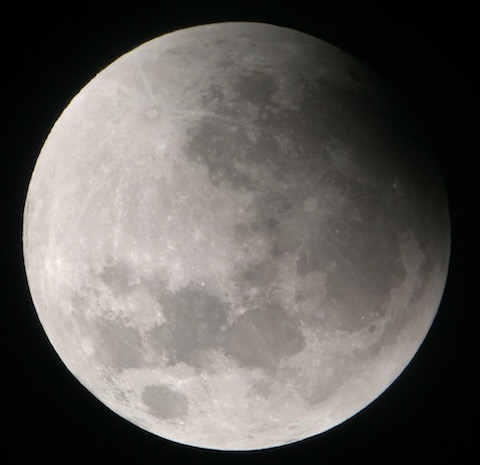
- July 25th (8:15pm): The Moon is mostly full (a waxing, gibbous
phase) and will make a great sight in any telescope or binoculars. We'll look
at the lunar mare (mah-ray) that were once thought to be seas of water,
and we'll see craters that are lit edge-on by the Sun's light. The shadows
cast by the edges of the craters help us to see the depth and structure of
what otherwise might look flat.
- Oct 3 (8:00pm):
Even though it is getting dark substantially earlier by
this point in the year, we'll gather once Saturn has had a chance to come up
over Boston. If you had a chance to see Saturn last year or the year before,
try to remember how the rings looked (almost flat). From our position relative
to Saturn, the rings are now starting to "open", or look wider. We'll see there's
more empty space we can see between the near and far sides this year. Another year,
and they'll be even further apart!
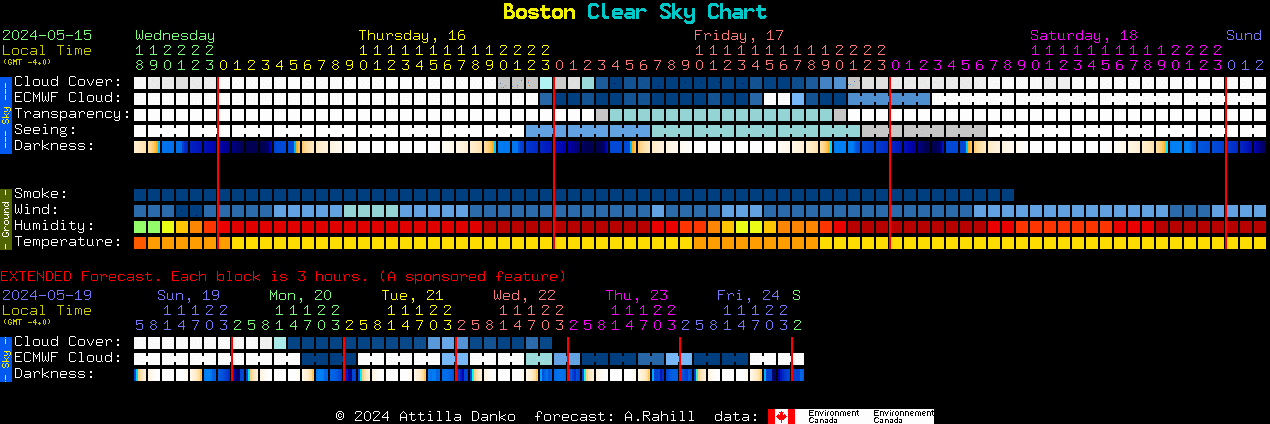
Each Astronomy Night will generally start when the stars come out and usually lasts
a couple hours. To add the schedule to your own calendar, import the
ICS
file. If it is overcast we'll have to cancel and hope for
clear weather next time, but as long as there are some stars
visible we'll give it a shot. For reminders and weather decisions,
consider joining my announcement
mailing list. Weather decisions for questionable nights will
also be posted on this site.
We set up the telescopes on the observation area of Robbins
Farm Park that overlooks Boston.
Please note: it
will be dark in the park! Bring a flashlight, but please keep it
aimed at the ground while you're in the park. Parents, please help your
children remember this rule. It takes your eyes a while to adjust to the
dark, and you'll see more in the sky once your night vision is working.
Keeping your flashlight pointed at the ground helps everybody keep their
eyes adjusted to the dark. Red light doesn't hurt night vision as much so
a red flashlight or red cellophane over a flashlight helps a lot! Consider
using bug spray too.
If you have questions, feel free to contact me at jeff [at]
arlingtonastronomy [dot] org